The finish is the part of the furniture people touch and see every day. It also decides how the piece ages, how easily it is repaired and which environments it can handle.
Key takeaways
- There is no best finish; the right one depends on use, look and market rules.
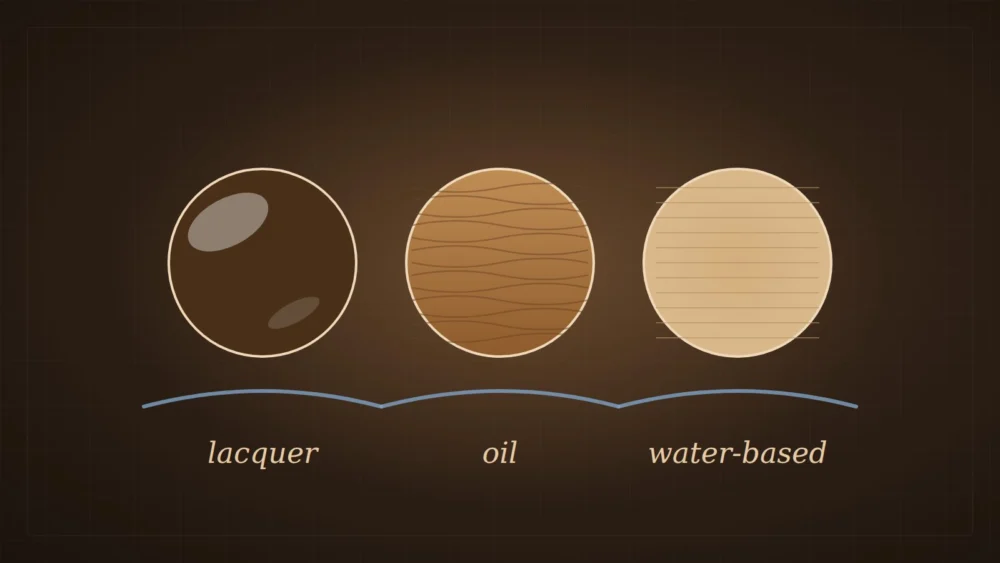
- Lacquers and polyurethanes build a protective film; oils soak in and keep a natural feel.
- Water-based coatings reduce solvent emissions and are common in regulated markets.
- Approve a finished sample and a colour reference before production.
The main finish families
| Finish | Look and feel | Durability | Repair | Typical use |
|---|---|---|---|---|
| NC lacquer | Clear, smooth, fast drying | Moderate; less resistant to heat and chemicals | Easy to spot-repair | Indoor furniture |
| Polyurethane (PU) | Strong film, from matt to high gloss | High wear and liquid resistance | Harder; often needs recoating | Tables, chairs, high-use surfaces |
| Water-based | Clear, low odour, natural tone | Good, improving every year | Moderate | Markets with strict emission rules |
| Oil or wax | Natural, open-grain feel | Needs upkeep; protects less against liquids | Easy to refresh | Teak, solid-wood pieces |
How a finish is built
- Sanding.A uniform surface decides how the finish looks. Poor sanding shows through every coat.
- Stain or colour.Applied evenly and checked against a reference under daylight and indoor light.
- Sealer and coats.The number of coats affects protection and depth. Ask how many your specification includes.
- Curing.Finishes need time to harden before packing; packing too early can print marks into the surface.
Need a finish matched to your market?
Share the colour reference and the use. We will propose a finish and send a finished sample.
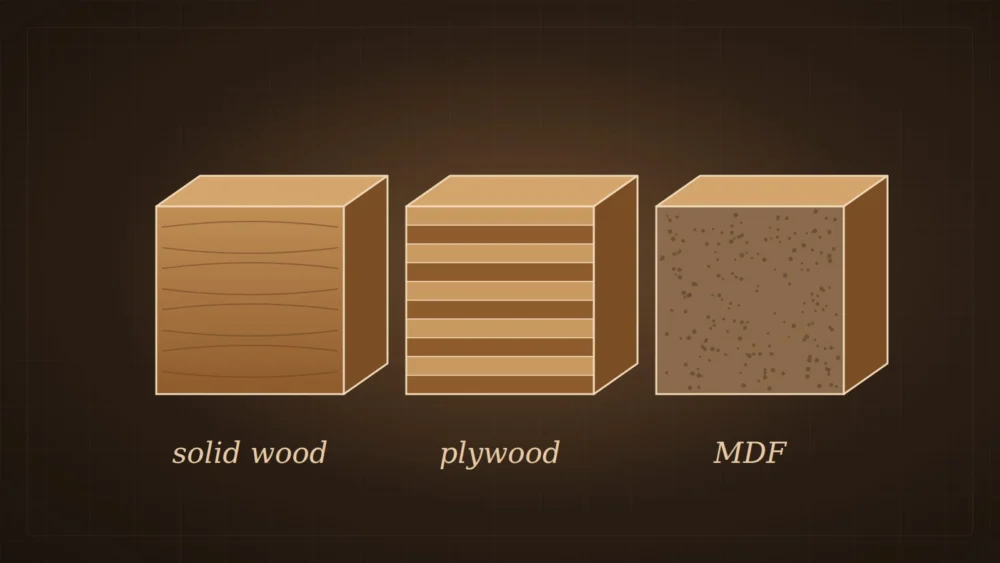
The finish has to suit the base material. What works on solid wood may not work on MDF or veneer. Read how materials behave and why wood moisture affects finishing.
How to write the finish specification
- Colour reference (physical sample or code) and gloss level.
- Finish system and number of coats.
- Indoor or outdoor use and expected care.
- Emission or safety rules in your destination market, if any.
Finishing quality is one of the checks we run before shipping; see Quality Control. If you are matching a brand colour, add a finished sample to your sample stage.
Frequently asked questions
Which finish is the most durable?
Film-forming coatings such as polyurethane tend to resist wear and liquids well. The best choice still depends on the surface, the use and the number of coats.
Is an oil finish good for outdoor teak?
Oils are popular for outdoor teak because they keep the natural look, but they need regular re-oiling. Without it teak weathers to silver-grey, which some buyers like.
Why do water-based coatings matter?
They use less solvent, which helps meet emission rules in some markets and improves working conditions. Check what your destination requires.