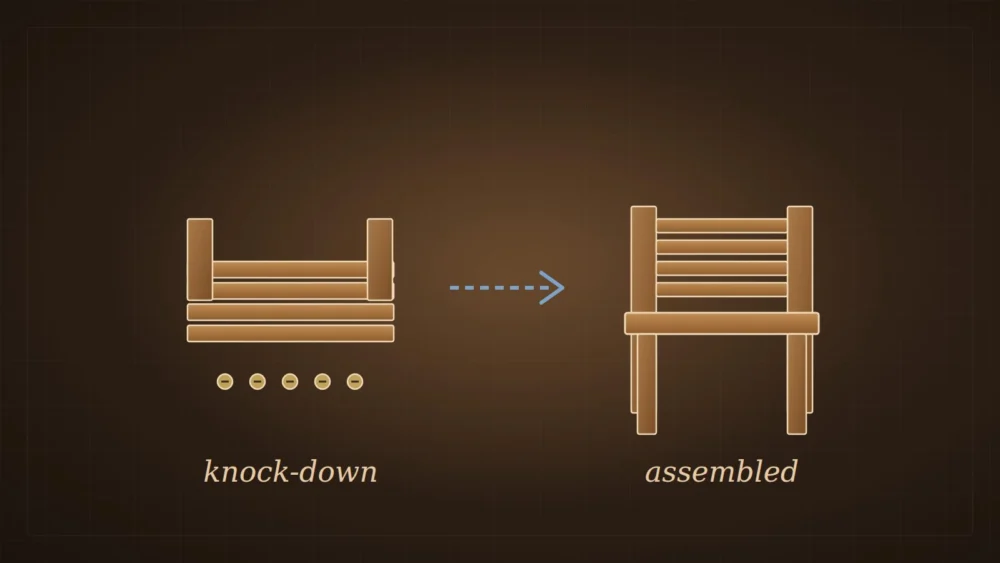
The same chair can take up twice the container space depending on whether it ships assembled or flat. Deciding this early changes freight cost, damage risk and what your customer does on delivery.
- Knock-down saves freight volume but moves assembly work to the buyer or customer.
- Fully assembled arrives ready to use but costs more space and needs stronger packing.
- Some designs, such as upholstered sofas or traditional joinery, are best shipped assembled.
- Approve a test assembly and a clear instruction sheet before production starts.
Two ways to ship the same product
| Knock-down (KD) | Fully assembled | |
|---|---|---|
| Container space | Compact, more pieces per container | Bulky, fewer pieces per container |
| Freight cost per piece | Lower | Higher |
| Damage risk in transit | Lower for flat parts, but hardware can go missing | Higher for joints and corners, needs strong packing |
| Assembly | Done by buyer or end customer | None, ready to use |
| Best for | Chairs, tables, shelving, cabinets with simple joints | Sofas, upholstered chairs, traditional joinery |
Why this belongs in the design stage
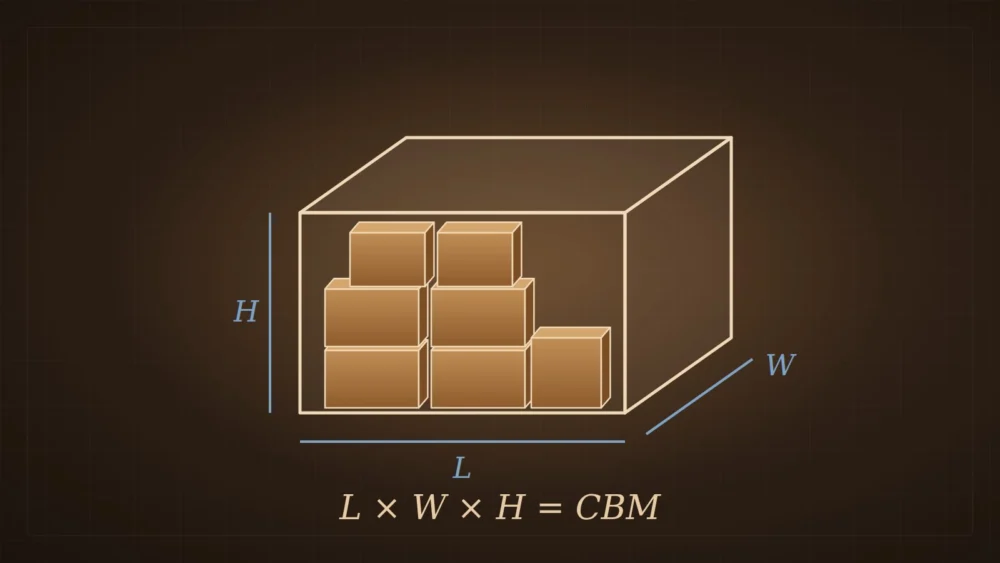
A KD product must be designed for it: joints that can be repeated without wear, parts that fit flat cartons, and hardware that is counted and labelled. Switching a finished design to KD late often means a new sample. Plan it with your CBM calculation from the beginning.
A short checklist for either method
- Choose the method per product.Mix KD and assembled models in one order if that suits each design.
- Approve a test assembly.Assemble the sample from the carton with only the supplied tools and instructions.
- Count and label hardware.Each carton should carry its own hardware pack and clear part marks.
- Protect corners and surfaces.Use foam, corner guards and separators, and mark the carton for handling.
- Check packing at inspection.Include a drop or stack test in your inspection plan.
Tell us the product and the destination. We will recommend a packing method and show the CBM difference.
Send your customer a short assembly video or an illustrated one-page sheet. It cuts returns more than any extra packing.
What it means for the price
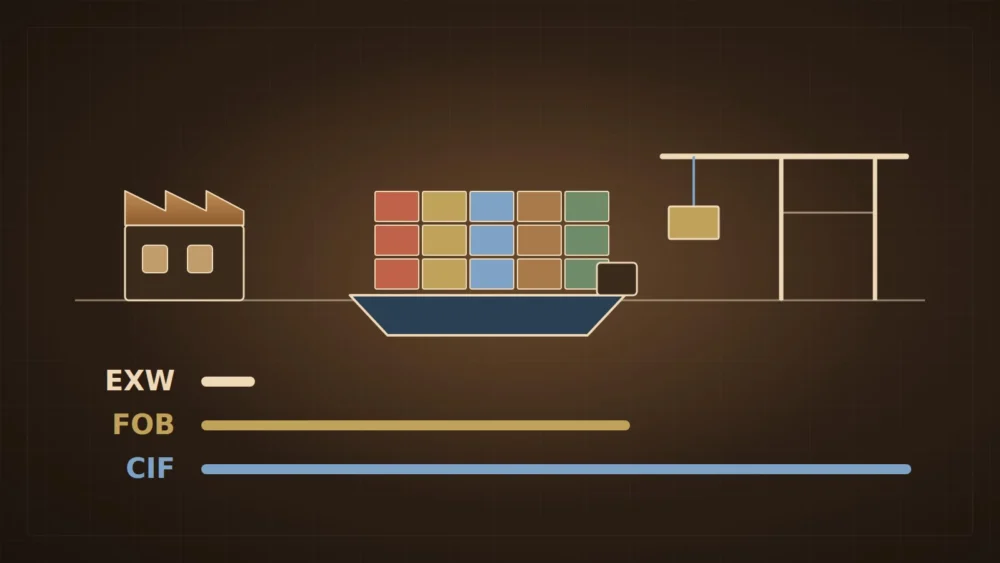
Lower freight is only part of the picture. Add the assembly effort, the risk of missing hardware and any rework when comparing options. Terms such as FOB or CIF decide who pays for freight, so compare total landed cost, not only the ex-factory price. See how export packing works with us on Shipping Information.